Weekday edition
Hotter inflation, Dell downgrade, and gold fund holders
Savings accounts could keep paying more while the Fed keeps borrowing costs high.
At Wednesday’s close: S&P 500 −1.11%, Nasdaq-100 −2.02%, Dow −0.09%
Consumer inflation runs hotter than forecast, keeping Fed hike bets alive
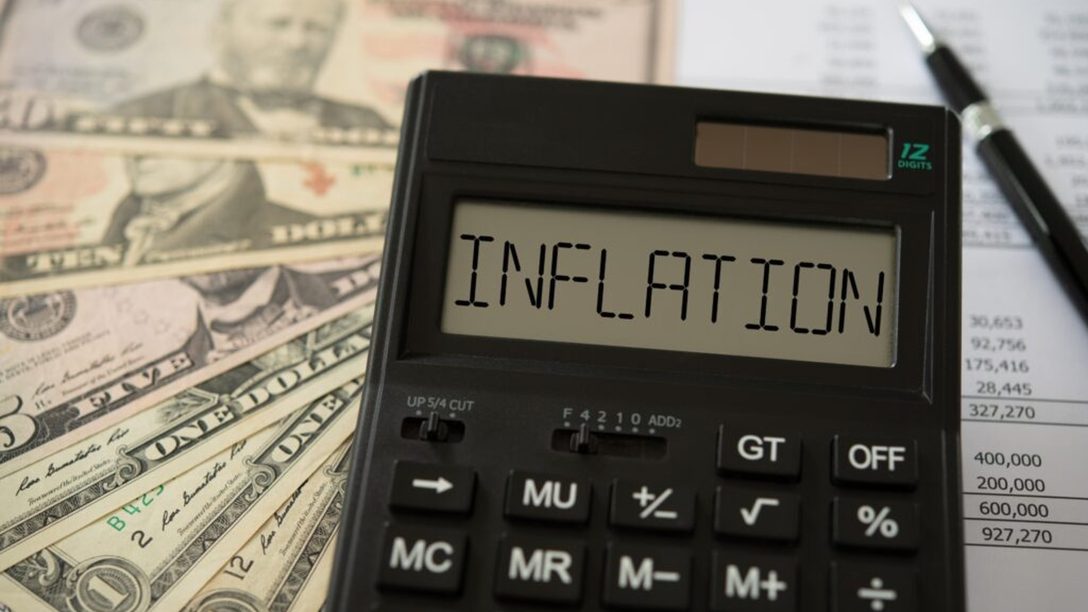
The Bureau of Labor Statistics said Wednesday that consumer prices rose faster than economists expected in September. Headline and core inflation both came in above forecasts. Stocks fell the same day. The S&P 500 slid 1.1% and the Nasdaq-100 slid 2.0%, while the Dow edged down 0.1%.
Core inflation leaves out volatile food and energy prices. It is the gauge the Federal Reserve watches most closely. That measure rose faster than forecast both month over month and over the past year. The report kept bets on another Fed rate hike alive. The technology sector fund tumbled 3.0%. The gold fund (GLD) slid 1.5%.
For readers
What it means for you: Faster price increases could lead the Fed to keep borrowing costs high. That may keep mortgage, loan, and credit card rates elevated. Savings accounts could keep paying more. An S&P 500 index fund lost $11 for every $1,000 held on the day.
Markets
Wednesday’s close
| Market | Level | Change |
|---|---|---|
| S&P 500 | 7,718.94 | −1.11% |
| Nasdaq-100 | 29,950.82 | −2.02% |
| Dow | 51,621.48 | −0.09% |
| 10-Yr | 5.19% | −2 bp |
| Bitcoin (24 hr)As of this edition | $81,432 | −2.46% |
If you own
Sector funds showed a wide split on the day: the health care sector fund jumped 2.5%, while the technology sector fund tumbled 3.0%. A gap like that may mean a broadly spread portfolio felt less of either move.
Tech funds fell with the wider market, as the Nasdaq-100 slid 2.0% to 29,950.82. A fund that tracks the index closely could have lost a similar share of its value in a single day.
Gold funds offered little shelter on the day, as the gold fund GLD slid 1.5%. For gold holders, that could mean the metal moved with stocks rather than against them this time.
Small-company funds lost ground as the small-company fund IWM slid 1.9%. Smaller companies often swing more than large ones, and holders of a small-company fund may see bigger day-to-day changes in their balance.
Need to know
Top stories
- 1
Banks · −4.76% Bank of America tumbles after settlement charge dents quarterly profit. Bank of America shares tumbled 4.8% to $51.39 on Wednesday. The bank's third-quarter revenue and adjusted profit missed analyst estimates. A regulatory settlement charge and weaker investment banking revenue weighed on results. Revenue still grew from a year earlier, but by less than analysts had forecast. The miss could put more focus on other large banks' results. Read more
- 2
Tech · −11.27% Dell tumbles after Barclays downgrade cites stretched valuation. Dell Technologies shares tumbled 11.3% to $507.93 after Barclays downgraded the stock to Equal-Weight, roughly a neutral rating. Analyst Tim Long also lowered his price target. He cited a stretched valuation and said broader business tech spending has yet to see much lift from AI. Chief executive Michael Dell pointed to strong demand for AI infrastructure. Read more
- 3
Retail · +1.11% Fastenal rises after quarterly profit and sales top estimates. Fastenal shares rose 1.1% to $52.00 after an early drop. The industrial supplier's third-quarter profit and sales beat analyst estimates. The results also showed continued pressure on gross margins, the share of sales kept after product costs. Fastenal lowered a target for signing new vending devices. It also plans higher capital spending, which could weigh on future profit. Read more
How it works
Interest rates
Small units, large sums. Basis points are tiny slices of percentage points. Lenders, the Fed and bond traders use them to describe interest rate changes precisely. Even small steps add up on large loans, mortgages and savings balances. The Labor Department's September price report showed inflation running above economists' forecasts. That kept bets on another Fed rate hike alive, and any such hike would be quoted in basis points. The term tends to return at each Fed meeting and whenever borrowing costs move.
Coming up
Today
Producer Price Index, September. Prices businesses receive, an early signal for consumer inflation.
Advance Retail Sales, September. How much shoppers spent last month, a gauge of consumer demand.
Business Inventories, August. Goods held by businesses, an input to estimates of economic growth.

The close
The Producer Price Index for September is due at 8:30 a.m. ET. It tracks prices businesses receive and could hint at where consumer inflation heads next. Advance Retail Sales for September and Business Inventories for August are also scheduled, though their release times are not confirmed. The spending figures may show how strong consumer demand remains, which could shape views on interest rates.
Not investment advice.