Economy & Fed
Core PCE inflation beats forecast as third-quarter GDP is revised higher
Core inflation, which leaves out food and energy, ran above forecast in October, and third-quarter growth was revised up. That mix could shape the Fed's December decision and the yields behind mortgage quotes.
Quick Read
- Core PCE prices rose 3.3% from a year earlier in October, above forecast and the highest since November 2023.
- The headline PCE index matched expectations.
- Third-quarter growth was revised up to a 4.3% annualized rate, the strongest since the third quarter of 2023.
- The Fed's rate decision on Dec. 9 is the next checkpoint for savers, borrowers and bond holders.
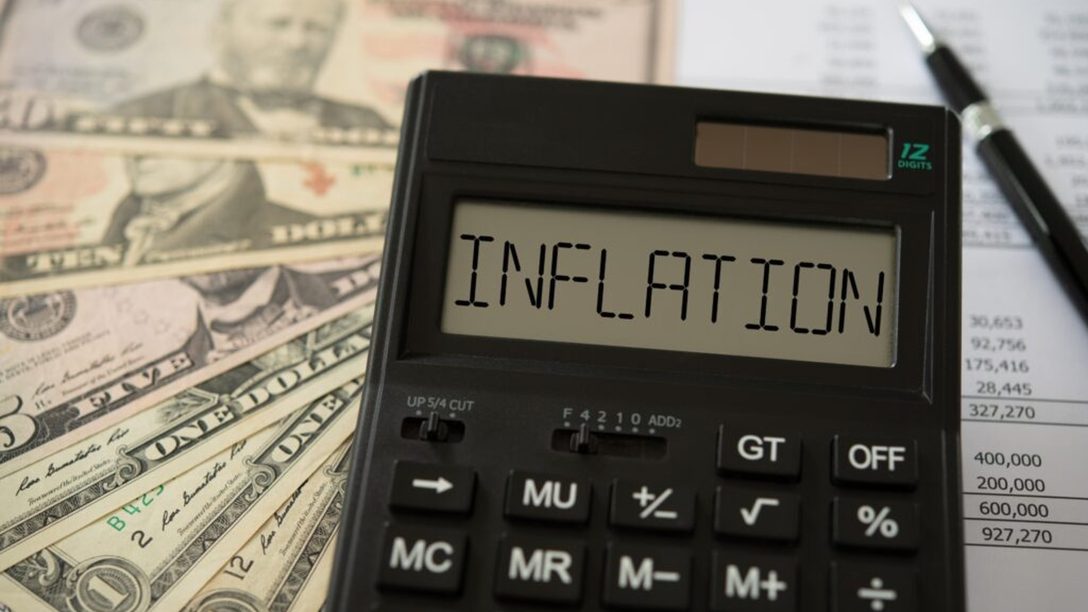
What did the October inflation report show?
The PCE price index, the Federal Reserve's preferred inflation gauge, rose 3.8% from a year earlier in October. That matched what economists expected, the personal income and spending report showed.
Why it matters: Core PCE prices, which leave out food and energy, rose 3.3%. That topped the 3.2% consensus, the average economists' forecast and the bar a reading has to clear. It was the highest core reading since November 2023, and the core pace also picked up from September.
Core inflation strips out food and energy because those prices swing with harvests and oil markets. The Fed watches core measures to judge the underlying trend. On a monthly basis, both the headline and core measures matched expectations.
How much faster did the economy grow?
The revised estimate of third-quarter gross domestic product put growth at a 4.3% annualized rate. GDP is the total value of goods and services the economy produces. Annualized means the quarter's pace stretched over a full year.
The initial estimate had shown 3.4%, and the consensus was 3.5%. The revised pace is the strongest since the third quarter of 2023. The GDP price index, a broad gauge of prices across the economy, came in below what economists had forecast.
Household paychecks grew faster than spending. Personal income rose 0.7% in October, ahead of the 0.4% forecast. Spending grew 0.3%, short of the 0.4% economists had forecast.
Where did prices rise and where did they fall?
Energy cooled after a hot September. Gasoline and other energy goods rose 0.8%, after climbing 9.2% the month before.
Grocery bills moved the other way. Prices of food and drinks bought for home rose at their fastest monthly pace since April. Furnishings, recreation services, restaurants and hotels also cost more.
Some prices fell. Transportation services dropped after a September spike, and vehicles and parts, recreational goods and clothing all got cheaper.
How did Treasury yields and stocks react?
Treasury yields eased even after the hotter core reading. A yield is the yearly interest a bond pays, measured against its price. The 10-year Treasury yield fell 6 basis points to 4.85% on Wednesday, and the 30-year yield fell 6 basis points to 5.24%.
Bond prices move opposite to yields, so the drop lifted the value of bonds already held. The 10-year yield is also a reference point for 30-year fixed mortgage rates.
Stock futures were already lower before the 8:30 a.m. ET release. Chip stocks were selling off. The S&P 500 fell 0.3% and the Nasdaq-100 fell 0.6%. The Dow rose 0.3%. The technology sector fund fell 0.8%.
What could inflation data mean for the Fed?
The Fed's meeting opens Tuesday, Dec. 8, and its rate decision is due Dec. 9 at 2 p.m. ET. The question is whether core prices keep beating forecasts before then.
The November jobs report arrives Dec. 4 at 8:30 a.m. ET. The November Consumer Price Index, the monthly report on consumer prices, follows Dec. 10 at 8:30 a.m. ET. November's PCE figures land with the personal income and spending report on Dec. 23 at 8:30 a.m. ET.
For readers
What it could mean for you: If you are shopping for a home loan or weighing a refinance, this report reaches you through the 10-year Treasury yield. Lenders' 30-year fixed quotes tend to move with that yield, which eased on Wednesday despite the hotter core reading. A lasting drop could show up in new mortgage quotes. If core prices keep running above forecasts in the November jobs, consumer price and PCE reports, yields could climb back, and mortgage quotes might follow.
Questions and answers
What is core PCE inflation?
Core PCE measures price changes in personal consumption without food and energy, which swing with harvests and oil markets. The Federal Reserve watches it to judge the underlying inflation trend.
Did October core PCE inflation beat expectations?
Yes. Core PCE rose 3.3% from a year earlier, above the 3.2% economists had forecast, and the highest since November 2023.
Why was third-quarter GDP revised higher?
The revised estimate showed the economy grew faster than the initial reading and the consensus.
When is the next Fed rate decision?
The Fed announces its rate decision on Dec. 9 at 2 p.m. ET, followed by the chair's press conference.
The numbers
| Tesla (TSLA) price | $380.14 |
|---|---|
| Tesla (TSLA) change | −1.18% |
| Tesla (TSLA) market value | $1.5 trillion |
| Tesla (TSLA) 52-week high | $489.88 |
| S&P 500 change | −0.25% |
| 10-year Treasury yield | 4.85% |
Wednesday’s close
Companies in this story
Share this story
Not investment advice.