Economy & Fed
Federal Reserve holds rates as Warsh declines to promise December hike
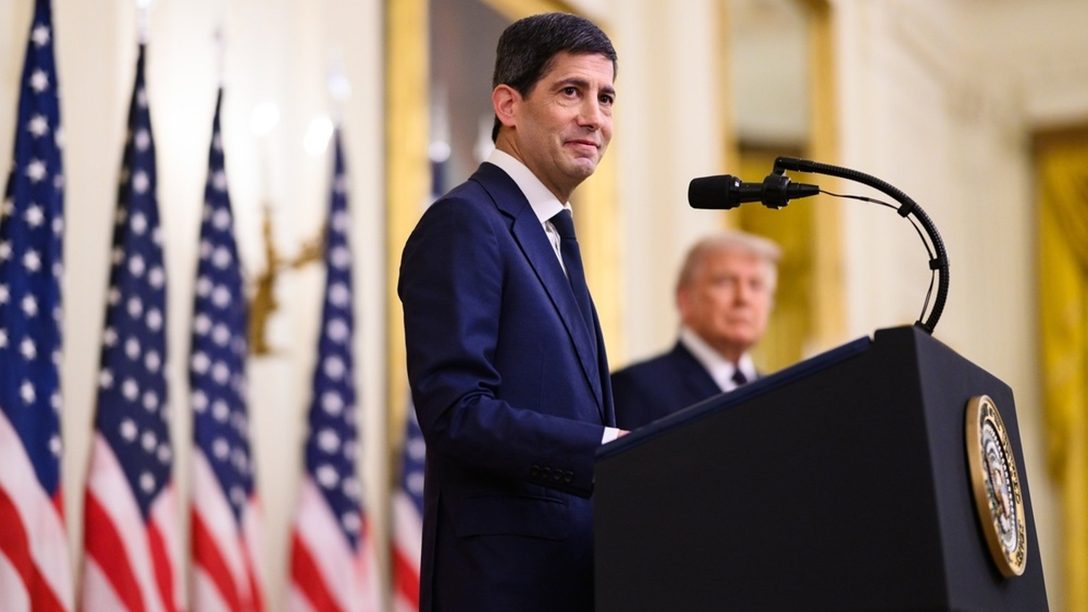
The Federal Reserve held rates steady on Wednesday. Chair Kevin Warsh would not promise a December hike, saying tighter financial and credit conditions are already doing part of the Fed's job.
Quick Read
- The Fed held rates steady on Wednesday, though some officials dissented in favor of a hike.
- Warsh declined to commit to a December increase, saying tighter financial and credit conditions are already doing part of the job.
- The 10-year Treasury yield rose 6 basis points to 5.05%, but short-term Treasury yields fell.
- The PCE price index on Oct. 29 and the jobs report on Nov. 6 arrive before the Fed's December meeting.
What did the Fed decide on Wednesday?
The Federal Reserve left its benchmark interest rate unchanged on Wednesday. Some policymakers dissented and voted to raise it instead. Chair Kevin Warsh would not say whether a hike may come in December.
Why it matters: Stocks rose modestly on the day. The S&P 500, the index of large U.S. companies that many 401(k) funds track, rose 0.3%. The Nasdaq-100 gained 0.5%, and the Dow edged up 0.2%.
Why did Warsh stop short of a December hike?
Warsh said financial and credit conditions have tightened since the Fed's September meeting. Bond yields have climbed. A yield is a bond's yearly interest as a share of its price. Credit spreads have also risen. A spread is the extra yield a riskier borrower pays above what the government pays.
In his view, those tighter conditions are already doing some of what a rate hike would do. Higher borrowing costs across the market can slow spending and lending without a move from the Fed.
He also said he generally avoids hinting at future rate moves unless circumstances are urgent. Hinting at future moves this way is known as forward guidance.
How did Treasury yields and bond markets react?
Longer-term yields rose, but short-term yields fell. When bond prices fall, yields rise.
The 10-year Treasury yield, the rate the government pays to borrow for a decade, rose 6 basis points to 5.05%. The 30-year yield rose 7 basis points to 5.37%.
At the short end, the 2-year yield fell 3 basis points to 4.67%. The 3-month Treasury bill yield fell 4 basis points to 4.18%. Short-term yields tend to track expectations for the Fed's own rate, so the decline may reflect fewer bets on a near-term hike.
The iShares iBoxx $ High Yield Corporate Bond ETF (NYSE Arca: HYG) is a fund of riskier company bonds that trades on an exchange like a stock. It sits 4.4% below its 52-week high, its highest price over the past year.
What could bring a December hike back into play?
Warsh's case rests on conditions staying tight. If yields and spreads ease, that restraint could fade, and the argument for a hike might return.
The dissenting officials voted for a hike now. Their votes show that not every policymaker shares the chair's view that markets are doing enough.
What could happen next for interest rates?
What’s next: The September report on personal income and spending is due Thursday, Oct. 29, at 8:30 a.m. ET. It includes the PCE price index, the inflation gauge the Fed watches. The advance estimate of third-quarter GDP arrives at the same time.
The Employment Cost Index follows on Oct. 30. The October jobs report is due Nov. 6, and the October consumer price index on Nov. 10. Officials meet again in December.
For readers
What it could mean for you: People who own bond funds, including the bond part of a target-date or balanced fund, feel moves like Wednesday's through prices. When yields rise, the bonds a fund already holds lose value, and longer-term bonds swing the most. Because long-term yields rose and short-term yields fell, funds holding longer bonds may have felt more of the change than short-term funds. If Warsh is right that tight conditions are doing the Fed's work, a December hike might not come. If inflation data run hot, long-term yields could climb further.
Questions and answers
Did the Federal Reserve raise interest rates on Wednesday?
No. The Fed held its benchmark rate steady, even though some officials voted for a hike.
Will the Fed raise rates in December?
Chair Kevin Warsh declined to commit either way. He said tighter financial and credit conditions are already doing some of the work, and data before the December meeting may shape the decision.
What happened to Treasury yields after the Fed decision?
The 10-year Treasury yield rose 6 basis points to 5.05%, and the 30-year yield also rose. Short-term yields fell, with the 2-year yield down 3 basis points.
What are credit spreads and why do they matter?
A credit spread is the extra yield a riskier borrower pays above what the government pays. Warsh said spreads have risen since September, which he counts as tighter conditions.
The numbers
| CoreWeave (CRWV) price | $63.93 |
|---|---|
| CoreWeave (CRWV) change | +7.32% |
| CoreWeave (CRWV) market value | $35 billion |
| CoreWeave (CRWV) 52-week high | $139.93 |
| iShares iBoxx $ High Yield Corporate Bond ETF (HYG) price | $77.59 |
| iShares iBoxx $ High Yield Corporate Bond ETF (HYG) change | −0.01% |
| iShares iBoxx $ High Yield Corporate Bond ETF (HYG) market value | $17 billion |
| iShares iBoxx $ High Yield Corporate Bond ETF (HYG) 52-week high | $81.20 |
| S&P 500 change | +0.28% |
| 10-year Treasury yield | 5.05% |
Wednesday’s close
Companies in this story
Share this story
Not investment advice.