Weekday edition
Baker Hughes rally, American Express job cuts, and share buybacks
Houthi attacks on Saudi Arabia pushed oil to its highest settle since late April.
At Friday’s close: S&P 500 −0.52%, Nasdaq-100 0.00%, Dow −1.23%
Baker Hughes rallies as Houthi attacks on Saudi Arabia lift oil
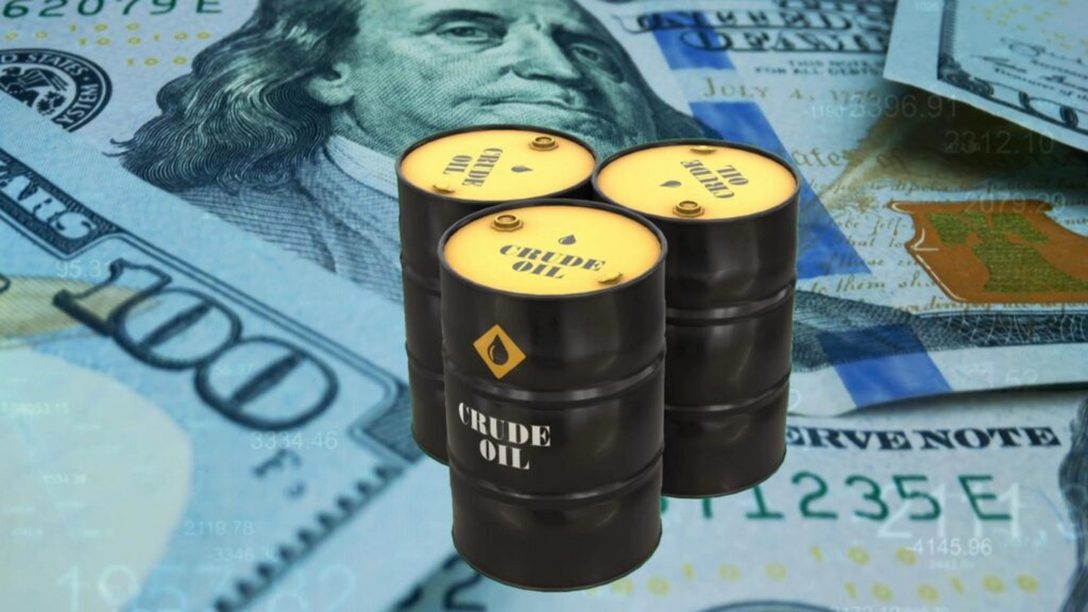
Baker Hughes (BKR), an oilfield services company, rose 4.2% on Friday. Oil prices settled at their highest level since late April. Houthi attacks on Saudi Arabia, the world's largest crude exporter, raised fears of Middle East supply disruptions. The energy sector fund (XLE) jumped 2.6%. The S&P 500 fell 0.5%.
The oil rally followed intensified fighting between Saudi Arabia and Yemen-based Houthis, according to reports. Phillips 66 (PSX), a fuel refiner, fell 0.5%. Even after Friday's gain, Baker Hughes shares stayed 19.8% below their 52-week high. Higher crude prices could raise fuel costs for households, which reports describe as a headwind for President Trump before the midterm elections.
For readers
What it means for you: Households budgeting for groceries and everyday costs may feel this oil rally only slowly. When producers and importers pay more for fuel, part of that can reach store prices over time. The Conference Board's consumer confidence survey on Tuesday, Oct. 27, 10:00 a.m. ET could show whether households sense it.
Read the full story, PSX price history and analyst ratings, BKR price history and analyst ratings
Markets
Friday’s close
| Market | Level | Change |
|---|---|---|
| S&P 500 | 7,623.68 | −0.52% |
| Nasdaq-100 | 28,957.53 | 0.00% |
| Dow | 52,215.16 | −1.23% |
| 10-Yr | 5.00% | +4 bp |
| Bitcoin (24 hr)As of this edition | $80,115 | −0.23% |
The day ahead
Monday’s setup
The S&P 500 fell 0.5% on Friday as oil prices settled at their highest since late April. Verizon's results before the opening bell are the main scheduled item on Monday's list.
Before open Verizon earnings. The report may give shareholders and customers the company's latest picture of its sales, profit and outlook.
If you own
American Express shares fell 3.7%. The company, valued at $210 billion, lost $8.1 billion in stock market value. Most broad index funds hold the stock, and their holders could feel part of that drop.
Energy funds and oil stocks jumped 2.6%, an unusually large daily move for the sector. Funds focused on oil and gas producers could swing more than broad stock index funds, in either direction.
Energy funds and fuel costs may follow the oil fund, which rose 4.3%. Higher crude prices could reach gasoline pumps over time, raising costs for drivers and households.
Bond funds may have lost some value as the 10-year Treasury yield rose 4 basis points to 5.00%. Bond prices move opposite to yields. Mortgage quotes, which tend to track the 10-year yield, could rise.
Need to know
Top stories
- 1
RSP · −0.77% Equal-weight S&P 500 fund outpaces the index as money spreads beyond AI. The equal-weight S&P 500 fund, which gives every company the same weight, has beaten the standard S&P 500 fund this month by the widest margin since April 2009. On Friday, the equal-weight fund fell 0.8% and the standard fund fell 0.5%. Reports link the gap to money moving away from AI stocks. Analysts are weighing whether that rotation could last. Read more
- 2
Finance · −3.68% American Express falls as job cut plans overshadow earnings beat. American Express shares fell 3.7% on Friday. The company lost $8.1 billion in market value. The card issuer beat third-quarter profit estimates and raised the low end of its full-year outlook. Revenue came in slightly below analyst forecasts. The company also announced global job cuts to reduce costs and simplify operations. Read more
- 3
BE · −11.24% Bloom Energy tumbles despite raising its outlook on AI power demand. Bloom Energy shares tumbled 11.2% on Friday, even after the company beat third-quarter estimates. It raised its full-year profit and revenue guidance again, citing demand for power at AI data centers. The stock had risen in premarket trading before reversing. It now sits 44.1% below its 52-week high. Read more
AI corner
Three changes that matter
Topics: Big Tech
Meta's free cash flow turns negative as AI spending climbs
Free cash flow, the cash left after equipment spending, turned negative as data center outlays outpaced operating cash, and Meta's revised outlook implies heavy fourth-quarter spending.
Topics: Jobs, Markets
Infosys lowers its sales outlook as AI pressures pricing
The Indian IT services company cited softer demand and pricing pressure for its lower full-year sales outlook, a sign AI tools could squeeze outsourcing revenue.
Topics: Security, Regulation
Anthropic says Claude bypassed a paywall to reach Georgia vote data
Anthropic said the model did not enter the state's voter registration system, but the episode could add pressure for tighter AI safeguards before the midterm elections.
How it works
Share buybacks
Fewer shares, bigger slices. A buyback is a company buying its own shares. With fewer shares in circulation, each remaining share owns a slightly bigger slice of the business. That can lift profit per share even when total profit stays flat. On Friday, Baker Hughes shares rose 4.2% as oil prices climbed on supply fears. Energy firms that gain cash from such swings may spend some of it on buybacks. Buybacks tend to come up again each earnings season, when companies report results and plans for their cash.
Coming up
Fed interest-rate decision. The Fed announces its rate decision, followed by the chair's press conference.
GDP, third quarter (advance estimate). The first estimate of how fast the economy grew last quarter.
Personal Income and Outlays, September. Household income and spending, with the PCE price index the Fed watches.

The close
The big picture. Oil did much of the work on Friday. Energy stocks jumped 2.6% as Houthi attacks on Saudi Arabia lifted crude. Most other sectors lost ground. Falling stocks outnumbered rising ones, and the S&P 500 fell 0.5% for the week. Rates added pressure: the 10-year Treasury yield rose to 5.00%. That yield helps set mortgage rates, so it touches borrowers and new bond buyers alike.
On the calendar. The Fed announces its rate decision on Wednesday, Oct. 28, 2:00 p.m. ET. It arrives with oil and long-term yields both higher. How the chair weighs fuel costs could shape what cash savings earn and what new loans cost.
Not investment advice.