Tech & AI
Trump orders new AI data centers to generate their own power
President Trump said new large data centers are required to make their own electricity, which could raise building costs. Separately, BlackRock's Larry Fink warned that slower construction could push up inflation.
Quick Read
- President Trump said on Truth Social that new large data centers are required to make their own electricity and share any excess with the grid.
- BlackRock CEO Larry Fink said slowing data center construction would add to inflation and that a moratorium would bring a recession.
- The next checks on inflation and rates come with the Fed decision on Oct. 28 and income and spending data on Oct. 29.
What did Trump order?
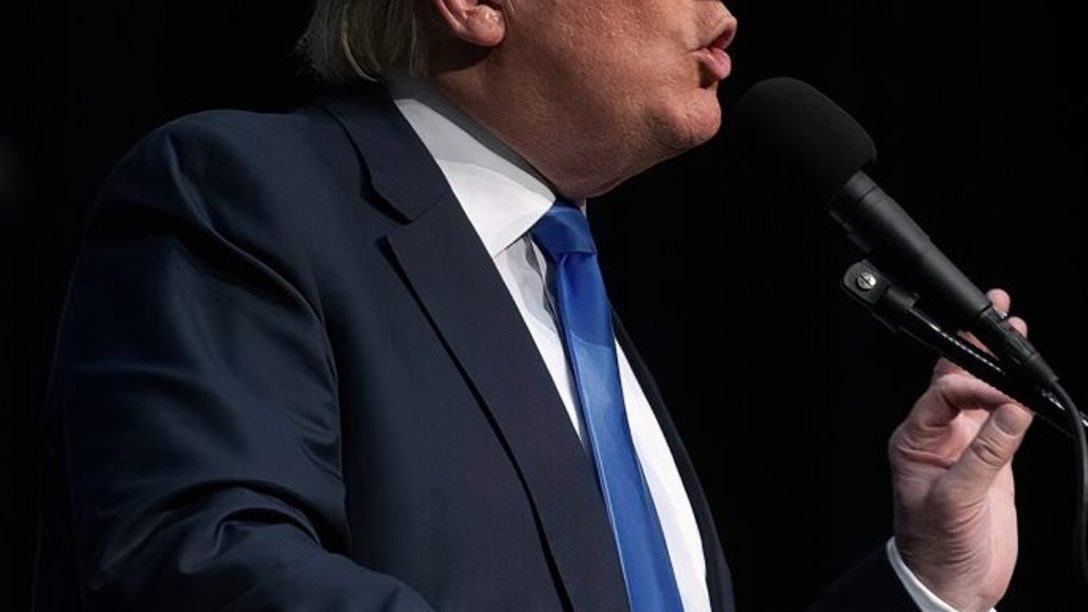
President Donald Trump said on Wednesday that new data centers are required to produce their own electricity. He made the announcement in a post on Truth Social.
Why it matters: Data centers are large buildings full of computers that run artificial intelligence (AI) services. They use a great deal of power. Under the mandate, developers would give or sell any extra electricity back to the local community or the grid, according to the post.
Trump also addressed local opposition to these sites. He suggested companies pay nearby residents a dividend to win their support. "Make Deals, and get them built!" he wrote. How the requirement would work in practice is still an open question.
Why does BlackRock's CEO link data centers to inflation?
Larry Fink, chief executive of asset manager BlackRock, told Bloomberg Television that slowing construction would add to inflation. His reasoning is that computing power is very expensive right now.
In a separate CNBC interview, Fink said a moratorium, or pause, on building would put the U.S. in a recession. A recession is a broad, lasting decline in economic activity.
Fink said local opposition often rests on misinformation. "Data centers are not the problem," he said. He pointed to demand for construction workers and energy infrastructure.
How did markets move, and what comes next?
What’s next: Stocks gained on Wednesday. The S&P 500 rose 0.6% and the tech-heavy Nasdaq-100 climbed 1.1%. The technology sector fund gained 1.7%, and the utilities sector fund rose 0.3%. Those moves cannot be pinned on the mandate alone.
Fink's inflation warning meets fresh data soon. The Fed announces its interest-rate decision on Oct. 28 at 2 p.m. ET. On Oct. 29 at 8:30 a.m., the government releases September income and spending data, including the PCE price index, an inflation gauge the Fed watches.
For readers
What it could mean for you: People who own a technology or utilities sector fund could feel this story more than holders of a broad index fund. If data center builders pay for their own power plants, their costs could rise. That may weigh on spending plans at the tech companies behind these sites. Utilities could see a mixed effect: less new demand from data centers on the grid, but possibly extra power sold back to it. How the mandate is applied may decide which effect matters more.
Questions and answers
What did Trump say about data centers and electricity?
He said new large data centers are mandated to make their own electricity and give or sell any excess to the local community or grid. He also suggested companies pay nearby residents a dividend to ease local opposition.
Why does Larry Fink think fewer data centers would raise inflation?
Fink told Bloomberg Television that the cost of computing power is very high right now. In his view, building fewer data centers would keep that cost high and add to inflation.
Could a pause on data center building cause a recession?
Fink told CNBC the U.S. would be in a recession if there were a moratorium of some sort. That is his forecast, not a certainty.
The numbers
| S&P 500 change | +0.58% |
|---|---|
| 10-year Treasury yield | 5.13% |
Wednesday’s close
Companies in this story
Share this story
Not investment advice.