Tech & AI
NextDC cuts guidance as power delays stall a Melbourne data center
Australia's largest listed data center operator cut its earnings forecast after local opposition to new power lines delayed its flagship Melbourne site. It is a sign that grid access could slow AI building.
Quick Read
- NextDC lowered its full-year earnings and revenue outlook after power delays held up its flagship M3 site in Melbourne.
- Residents opposed replacing wooden poles with taller concrete pylons, stalling the electricity upgrade the site needs.
- The company paused projects that lack customer contracts while M3 revenue is delayed.
- The episode shows that access to power could limit how fast data centers, and the AI spending behind them, can grow.
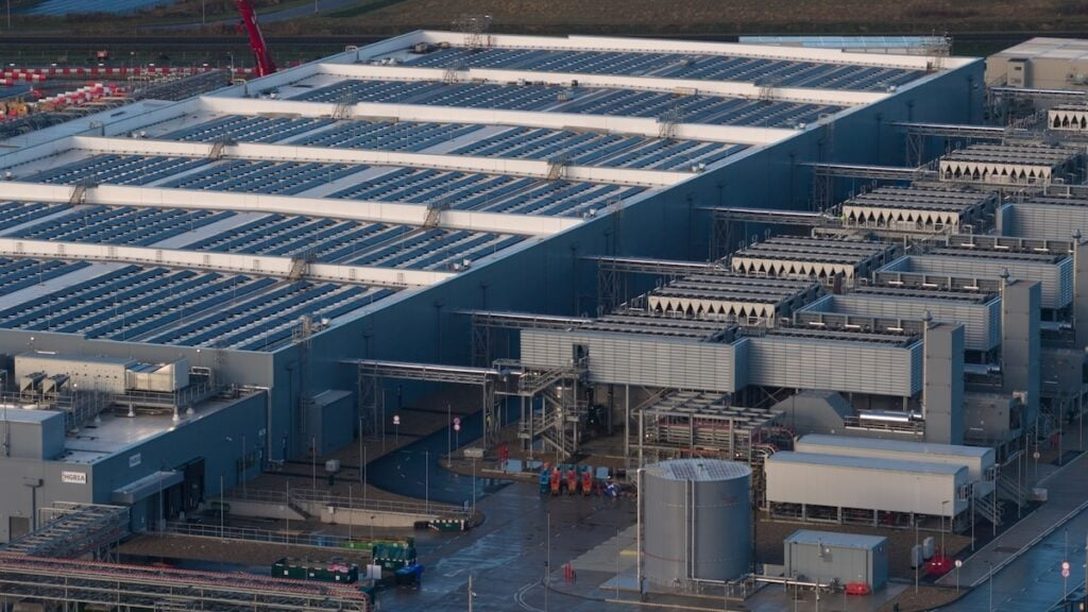
What did NextDC announce?
NextDC, the largest publicly listed data center operator in Australia, lowered its guidance, meaning its own forecast for its coming results.
Why it matters: The company reduced its full-year earnings outlook and its revenue outlook. Its shares fell sharply on Wednesday after the news, according to reports.
NextDC also put off projects linked to M3, its flagship facility in Melbourne. The company said it had paused work that lacks signed customer contracts while revenue from M3 is delayed.
Why is power holding up the Melbourne site?
The delay comes down to electricity. M3 needs a bigger power connection before it can run at full scale.
That upgrade involves swapping old wooden poles for much taller concrete pylons. Local residents objected to the plan, and the upgrade has stalled.
Data centers use large amounts of electricity to run and cool their servers. A site can be built and still sit partly idle if its grid connection is not ready.
Why might it matter beyond Australia?
Big technology companies are spending heavily on data centers to train and run artificial intelligence systems. NextDC's setback shows that buildings and chips are only part of the job; reliable power matters too.
It is not clear whether other operators face similar local resistance. Reports so far describe the problem at this Melbourne site.
U.S. tech shares also fell on Thursday. The Nasdaq-100 slid 2.9%, and Nvidia (Nasdaq: NVDA) tumbled 4.4%. Those moves had many possible causes, and nothing so far links them directly to NextDC.
Microsoft (Nasdaq: MSFT) is scheduled to report quarterly results on Oct. 28 and Amazon on Oct. 29. Both spend heavily on data centers, and their updates may show whether power access is shaping their plans.
For readers
What it could mean for you: People who own a technology fund, or a real estate fund holding data center owners such as Equinix, may feel stories like this more than most. A sector fund concentrates on a narrow industry, so news about power shortages at data centers can move it more than a broad index fund. If grid delays spread, operators might build more slowly, and the chipmakers and cloud companies that supply or rent those sites could see spending plans shift. That outcome is uncertain, and upcoming results from big cloud spenders may offer more detail.
Questions and answers
Why did NextDC cut its guidance?
NextDC lowered its forecasts because a delayed power upgrade is holding back its M3 data center in Melbourne. Revenue the company expected from that site has been pushed back.
What is holding up power to the NextDC M3 data center?
The upgrade requires replacing wooden poles with much taller concrete pylons. Local residents objected, and the work has stalled.
Does the NextDC delay affect U.S. tech companies?
There is no direct link shown so far. The case does illustrate that power access could slow data center growth, which matters to companies that build or supply those sites.
When do Microsoft and Amazon report results?
Microsoft is scheduled to report quarterly results on Oct. 28, and Amazon on Oct. 29. Both are large spenders on data centers.
The numbers
| Amazon.Com (AMZN) price | $250.38 |
|---|---|
| Amazon.Com (AMZN) change | −4.57% |
| Amazon.Com (AMZN) market value | $2.7 trillion |
| Amazon.Com (AMZN) 52-week high | $284.02 |
| Microsoft (MSFT) price | $521.08 |
| Microsoft (MSFT) change | −2.23% |
| Microsoft (MSFT) market value | $3.9 trillion |
| Microsoft (MSFT) 52-week high | $543.45 |
| Nvidia (NVDA) price | $212.21 |
| Nvidia (NVDA) change | −4.40% |
| Nvidia (NVDA) market value | $5.1 trillion |
| Nvidia (NVDA) 52-week high | $239.24 |
| S&P 500 change | −1.21% |
| 10-year Treasury yield | 4.96% |
Thursday’s close
Companies in this story
Share this story
Not investment advice.